
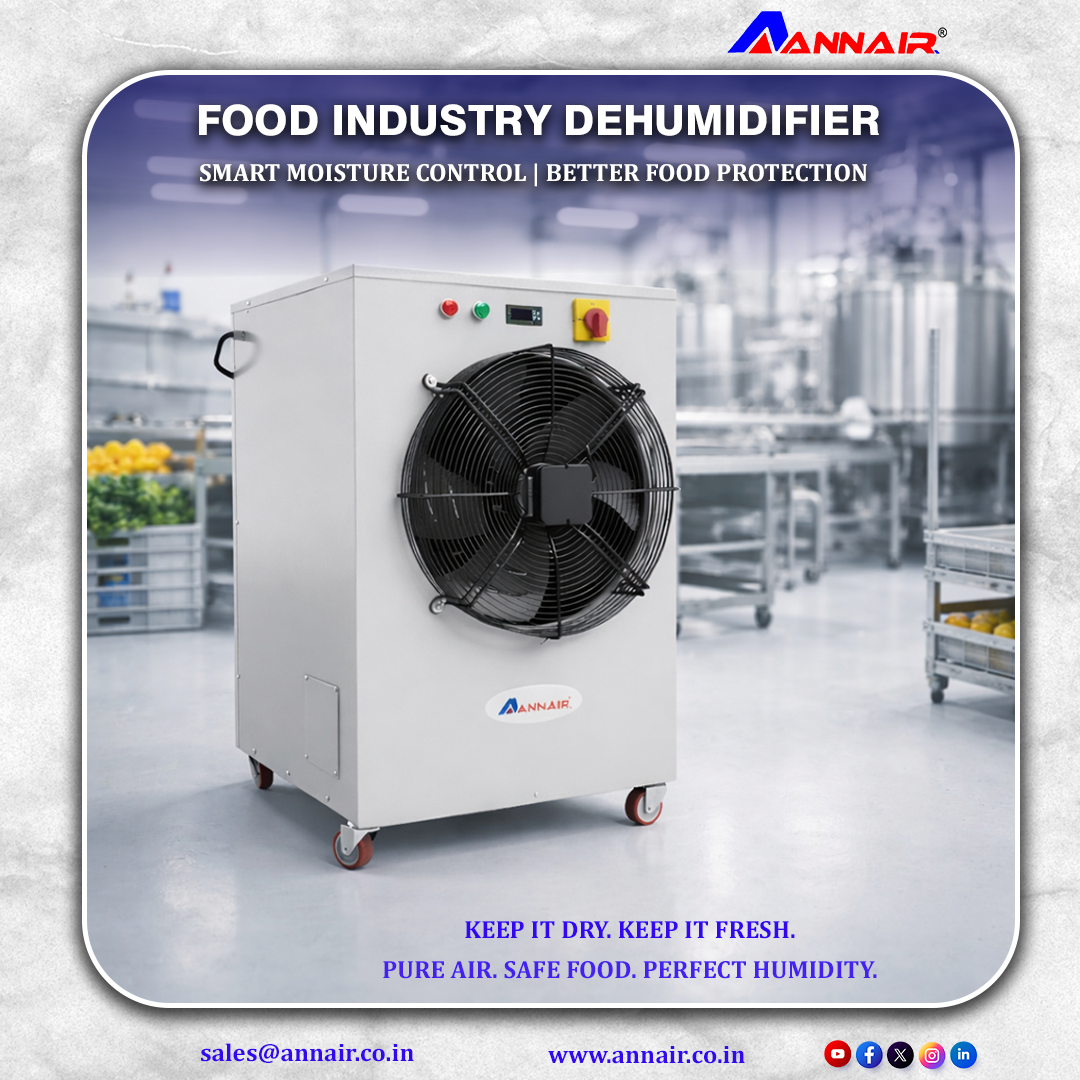
Dehumidifiers in the Food Industry: Ultimate Moisture Control
Introduction
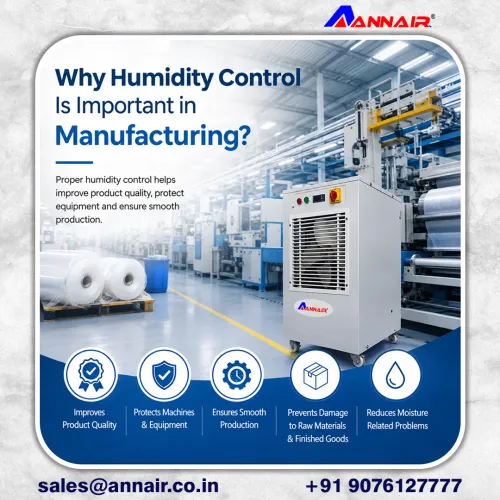
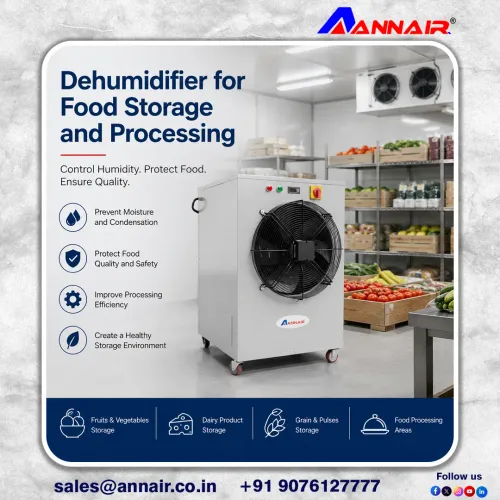
Humidity control is a critical pillar of safety and quality in the food industry. Excess moisture is a silent enemy; it leads to rapid food spoilage, mold growth, and significantly reduced shelf life. This is why industrial dehumidifiers have become indispensable in modern food processing units, storage facilities, and packaging plants. This guide explores why dehumidification is vital, its key applications, and the long-term benefits it offers the food sector.
What is a dehumidifier?
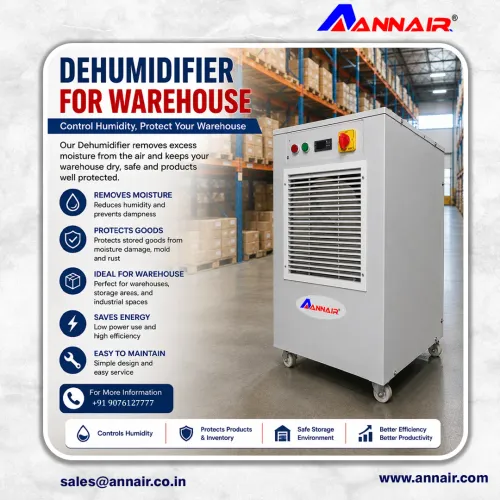
A dehumidifier is an electronic device designed to extract excess moisture (humidity) from the air, maintaining a dry and stable environment. In the food industry, its primary functions are:
- Regulating Relative Humidity (RH): Keeping moisture within precise percentage limits.
- Maintaining Product Integrity: Ensuring the texture and quality of the food remains unchanged.
- Preventing Biological Hazards: Stopping the growth of mold, yeast, and bacteria.
Recommended Humidity Levels (General Guidelines)
Every product has a unique “sweet spot,” but general industry standards include:
- Dry Food Storage: 30% – 45% RH
- Processing Areas: 40% – 55% RH
- Packaging Zones: 35% – 50% RH
- Seed/Grain Storage: Below 40% RH
Conclusion
Moisture control is not just a luxury; it is a necessity for any food business aiming for high quality and safety. Investing in a high-quality industrial dehumidifier ensures that your products remain fresh, your packaging stays intact, and your brand reputation remains solid.
📞 Get in Touch
Upgrade your air system with Annair today
📞 +91 9076127777
🌐 www.annair.com
📧 sales@annair.co.in