
Benefits of Using a Refrigerated Air Dryer in Manufacturing
Compressed air is an essential utility in many manufacturing facilities. It powers pneumatic tools, automation systems, control equipment, valves, packaging machinery, and a wide range of production processes. However, compressed air naturally contains moisture, and uncontrolled moisture can affect equipment performance, product quality, and maintenance costs.
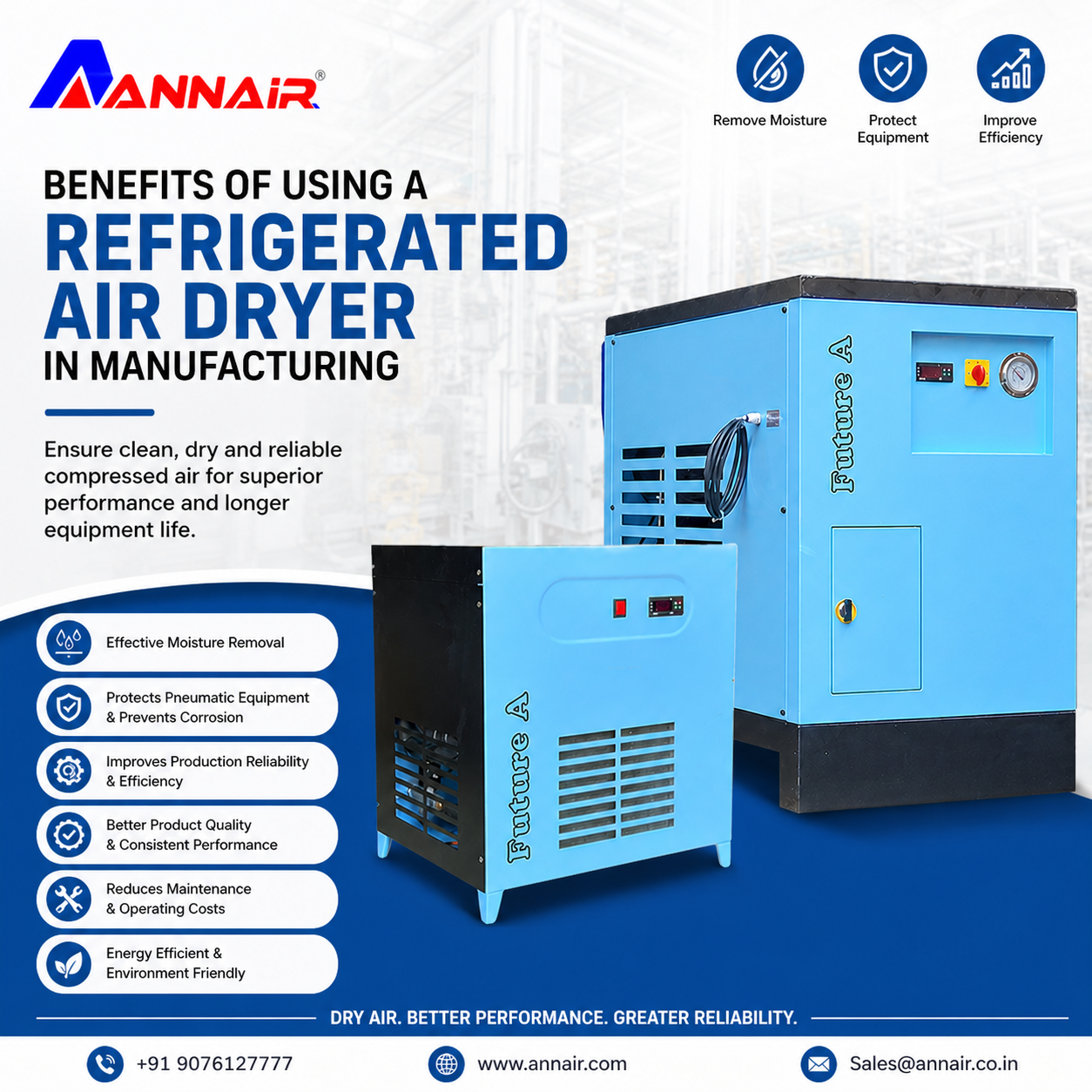
This is where a refrigerated air dryer plays an important role. By cooling compressed air and removing condensed moisture, a refrigerated air dryer helps manufacturers maintain cleaner and more reliable compressed-air systems.
In this guide, we explore the benefits of using a refrigerated air dryer in manufacturing, its applications, how it works, and why effective compressed-air treatment is important for modern industrial operations.
What Is a Refrigerated Air Dryer?
A refrigerated air dryer is a compressed-air treatment system designed to reduce the moisture content of compressed air. During compression, atmospheric air is compressed, increasing the concentration of water vapor within the air system. When the compressed air cools, this water vapor can condense into liquid water.
If this moisture is allowed to travel through compressed-air pipelines, it can cause corrosion, damage pneumatic components, interfere with manufacturing processes, and negatively affect the quality of finished products.
A refrigerated dryer uses a refrigeration system to cool the compressed air. The cooling process causes water vapor to condense, after which the collected moisture is separated and drained from the system. The treated air is then reheated, where applicable, before being supplied to the manufacturing network.
How Does a Refrigerated Air Dryer Work?
The operating principle of a refrigerated air dryer is relatively straightforward. Warm, moisture-laden compressed air enters the dryer and passes through a heat-exchange system. The air is cooled to a temperature at which moisture condenses.
- Compressed air enters the dryer: Moist compressed air from the air compressor enters the dryer.
- Heat exchange takes place: The compressed air is cooled through the dryer's heat exchanger.
- Moisture condenses: Cooling causes water vapor to turn into liquid water.
- Condensate is separated: The liquid water is collected and removed through a suitable drain system.
- Dry compressed air exits: The treated air is supplied to the downstream compressed-air network.
This process provides compressed air with a significantly reduced moisture load, making it suitable for many general industrial and manufacturing applications.
Benefits of Using a Refrigerated Air Dryer in Manufacturing
Installing the right compressed-air dryer can provide several operational advantages. Here are some of the key benefits of using a refrigerated air dryer in manufacturing:
1. Effective Moisture Removal
One of the primary purposes of a refrigerated air dryer is to remove condensed moisture from compressed air. Lower moisture levels help reduce the amount of water entering downstream equipment and production systems.
2. Protection of Pneumatic Equipment
Moisture can contribute to corrosion and premature wear in pneumatic components, pipelines, valves, cylinders, and other compressed-air equipment. Proper air drying helps protect these components and supports dependable operation.
3. Improved Production Reliability
Manufacturing operations often depend on consistent compressed-air quality. Excess moisture can cause malfunctioning pneumatic components and unexpected interruptions. A refrigerated air dryer helps provide more consistent compressed air for connected equipment.
4. Better Product and Process Quality
In applications where compressed air comes into contact with production processes, moisture can create unwanted results. Dry compressed air can help reduce moisture-related process problems and support consistent manufacturing quality.
5. Reduced Corrosion Risk
Water inside compressed-air piping and equipment can accelerate corrosion. Removing moisture helps reduce this risk and can contribute to a longer service life for the compressed-air distribution system.
6. Lower Maintenance Requirements
Excess moisture can increase the likelihood of equipment problems and maintenance interventions. By controlling moisture, a refrigerated air dryer can help manufacturers reduce moisture-related maintenance requirements.
7. Suitable for Many General Industrial Applications
Refrigerated air dryers are widely suited to applications where a moderate pressure dew point is sufficient. They are commonly considered for general manufacturing, workshops, pneumatic automation, packaging, assembly, and other industrial operations.
8. Support for Efficient Compressed-Air Systems
A properly selected and maintained dryer can contribute to an efficiently managed compressed-air system. Correct sizing, appropriate operating conditions, regular maintenance, and effective condensate management are important for achieving good overall system performance.
Uses of Refrigerated Air Dryers in Manufacturing
Refrigerated air dryers can be used across a variety of industries and manufacturing environments. Their applications include:
- Automotive manufacturing and component production
- Engineering and general manufacturing plants
- Packaging and processing equipment
- Pneumatic automation systems
- Machine tools and CNC-related applications
- Textile manufacturing equipment
- Assembly lines
- Workshops using pneumatic tools
- Industrial control and instrumentation applications where appropriate
- General compressed-air distribution systems
The appropriate dryer technology depends on the required air quality, operating pressure, temperature, flow rate, environmental conditions, and application.
Why Is Dry Compressed Air Important in Manufacturing?
Manufacturing facilities can invest significantly in compressors, pneumatic equipment, automation, and distribution networks. Without appropriate compressed-air treatment, moisture can undermine the performance of these systems.
Dry compressed air helps manufacturers control moisture-related problems throughout the air network. This can support smoother pneumatic operation, protect downstream equipment, and help maintain consistent production conditions.
For businesses that depend heavily on compressed air, air treatment should therefore be considered an important part of overall compressed-air system design rather than an optional accessory.
Refrigerated Air Dryer vs. Other Air-Drying Technologies
Different manufacturing applications require different levels of compressed-air treatment. Refrigerated dryers are generally used for applications where standard industrial dry air is sufficient.
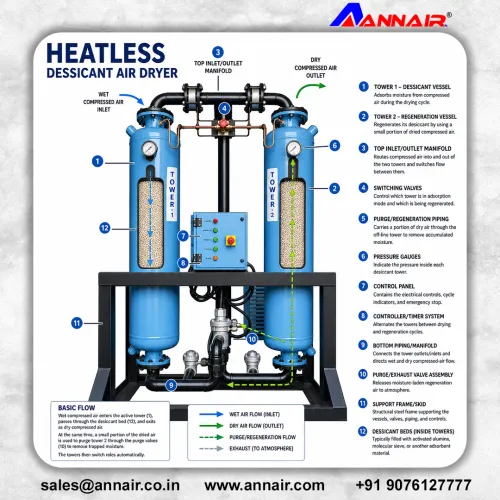
For applications requiring very low moisture levels, an adsorption or desiccant dryer may be more appropriate. The best solution depends on the required pressure dew point and the sensitivity of the application.
Before selecting an air dryer, manufacturers should evaluate factors such as compressed air flow, inlet temperature, ambient temperature, pressure, required dew point, operating environment, and future capacity requirements.
How to Choose the Right Refrigerated Air Dryer
Selecting the right refrigerated air dryer is important for achieving reliable compressed-air treatment. Consider the following factors:
Air Flow Capacity
Choose a dryer capable of handling the required compressed-air flow under actual operating conditions. Undersizing can affect performance, while excessive capacity may unnecessarily increase investment and operating costs.
Operating Pressure
Dryer performance depends on operating pressure. Ensure that the selected equipment is suitable for the pressure range of the compressed-air system.
Inlet Air Temperature
The temperature of compressed air entering the dryer affects its refrigeration load. Actual plant conditions should be considered when selecting equipment.
Required Pressure Dew Point
Determine how dry the compressed air needs to be for the application. General industrial applications may have different requirements from sensitive processes.
Operating Environment
Ambient temperature, installation location, ventilation, and plant conditions can all influence dryer operation. Equipment should be selected with the installation environment in mind.
Maintenance and Service Support
Consider the availability of maintenance support, replacement components, servicing, and technical assistance when selecting an industrial air dryer.
Maintenance Tips for Refrigerated Air Dryers
Regular maintenance is essential for keeping a refrigerated air dryer operating effectively. Manufacturers should follow the equipment manufacturer's maintenance recommendations and consider the following general practices:
- Inspect and clean heat-transfer surfaces as recommended.
- Check condensate drains regularly.
- Monitor operating temperatures and pressures.
- Keep ventilation around the dryer adequate.
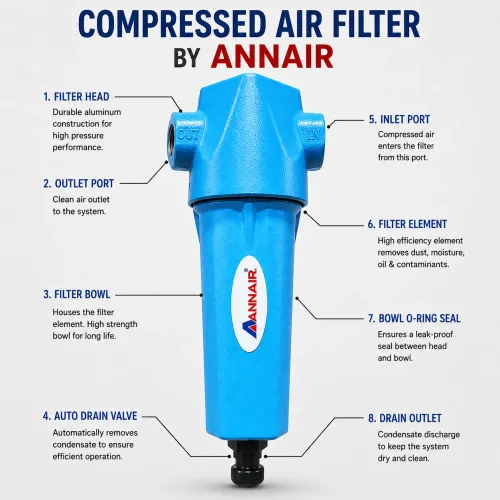
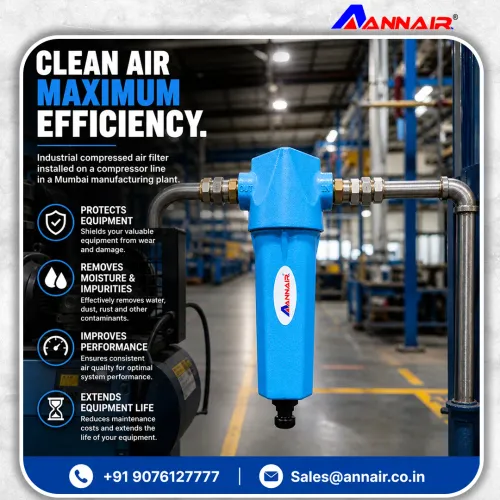
- Inspect filters and other associated air-treatment components.
- Address abnormal noise, temperature, or pressure readings promptly.
- Schedule preventive maintenance according to operating conditions and manufacturer recommendations.
Frequently Asked Questions About Refrigerated Air Dryers
What is the main purpose of a refrigerated air dryer?
The main purpose of a refrigerated air dryer is to reduce moisture in compressed air. It cools compressed air so that water vapor condenses and can be separated and drained from the system.
What are the benefits of using a refrigerated air dryer in manufacturing?
Key benefits include moisture control, protection of pneumatic equipment, reduced corrosion risk, improved compressed-air quality, more reliable production processes, and potentially lower moisture-related maintenance requirements.
Where are refrigerated air dryers used?
They are commonly used in general manufacturing, automotive and engineering plants, pneumatic automation, packaging, assembly, machine-tool applications, workshops, and other industrial compressed-air systems where a moderate pressure dew point is suitable.
Can a refrigerated air dryer remove all moisture from compressed air?
A refrigerated air dryer significantly reduces moisture by cooling and condensing water vapor, but it is not designed to provide the extremely low moisture levels required by every application. Applications requiring a very low pressure dew point may need a desiccant or adsorption dryer.
How do I select the correct refrigerated air dryer?
Selection should consider air flow, operating pressure, inlet and ambient temperatures, required pressure dew point, installation conditions, and the specific requirements of the manufacturing process.
How often should a refrigerated air dryer be serviced?
Service frequency depends on the equipment, operating hours, air quality, environmental conditions, and manufacturer's recommendations. Regular inspection and preventive maintenance help maintain reliable operation.
Does a refrigerated air dryer improve compressed-air system reliability?
It can help improve reliability by reducing moisture entering downstream equipment. However, overall system reliability also depends on proper compressor operation, filtration, condensate management, piping, installation, and preventive maintenance.
Improve Your Compressed-Air System with the Right Air Dryer
Moisture management is an important part of maintaining an efficient and dependable compressed-air system. For many manufacturing environments, a properly selected refrigerated air dryer can provide an effective way to reduce moisture and protect downstream equipment.
At Annir Drychill Tech India Pvt. Ltd., we understand the importance of dependable compressed-air treatment for industrial applications. Choosing the right solution starts with understanding your operating conditions, air quality requirements, and production needs.
If you are evaluating a refrigerated air dryer for your manufacturing facility, speak with a qualified air-treatment professional to determine the appropriate solution for your compressed-air system.
Looking for a suitable compressed-air drying solution? Contact Annir Drychill Tech India Pvt. Ltd. to discuss your industrial air-drying requirements.
Conclusion
The benefits of using a refrigerated air dryer in manufacturing extend beyond simple moisture removal. By reducing water in compressed-air systems, these dryers can help protect pneumatic equipment, reduce corrosion risk, support consistent manufacturing processes, and improve the reliability of compressed-air applications.
The right dryer should always be selected according to the actual requirements of the application. Factors such as air flow, pressure, temperature, pressure dew point, and operating environment should be evaluated before installation.
With appropriate equipment selection and regular maintenance, refrigerated air drying can become an important part of a well-managed industrial compressed-air system.