
Benefits of Compressed Air Filters in Industrial Applications
Compressed air is widely used in manufacturing plants, workshops, and industrial production units. However, compressed air can contain dust, oil particles, water droplets, and other unwanted contaminants. These impurities can affect product quality, damage equipment, and increase maintenance costs.
Compressed air filters help remove contaminants from compressed air before it reaches pneumatic tools, machines, and production equipment. For industries that depend on clean and reliable compressed air, choosing the right industrial air filter is an important step.
Annair Drychill Tech India Pvt. Ltd. provides compressed air treatment solutions to help industries improve compressed air quality and protect their equipment.
What Is a Compressed Air Filter?
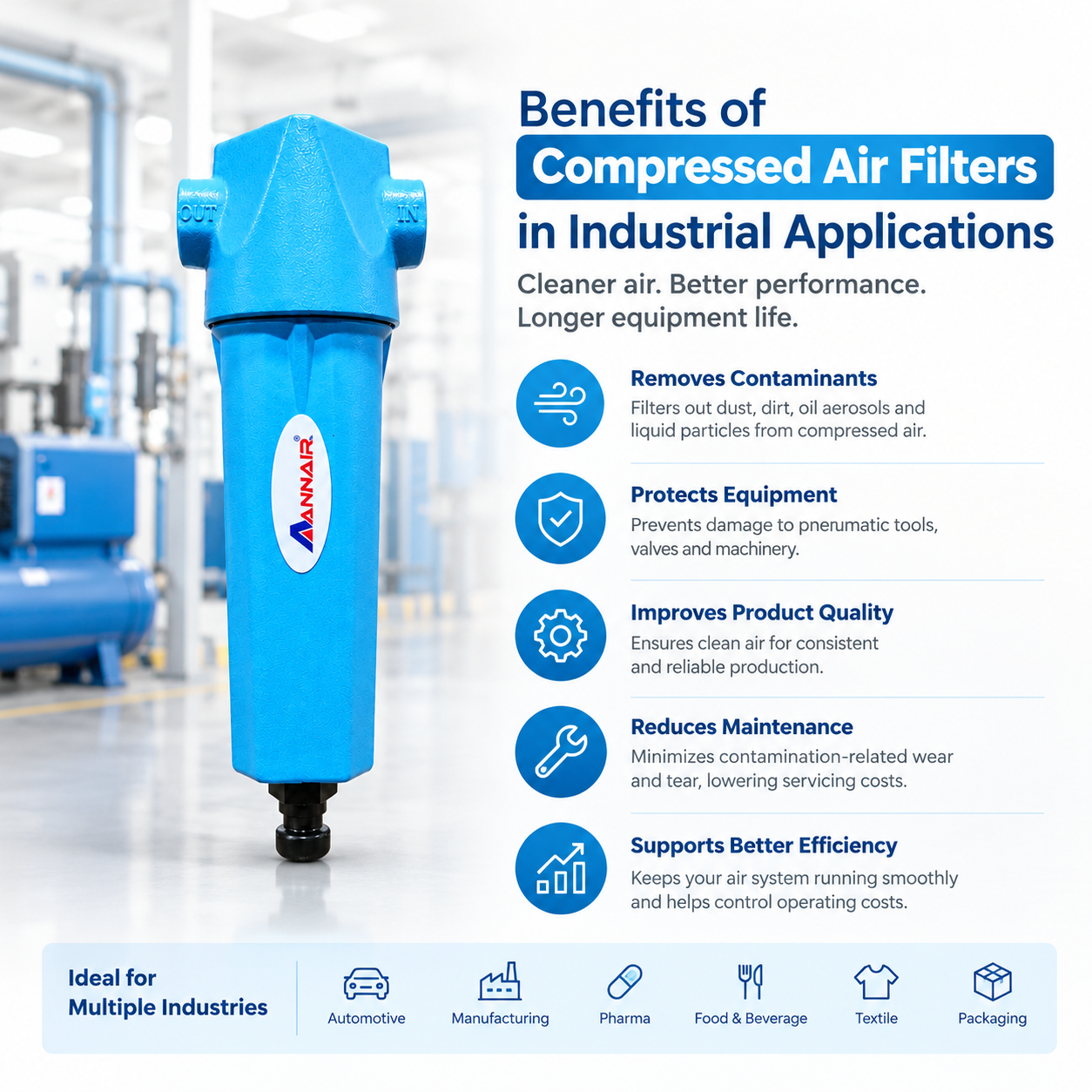
A compressed air filter is a device installed in a compressed air system to remove specific contaminants from the air. Depending on the filter type and filtration grade, it can help remove solid particles, water droplets, and oil aerosols.
Compressed air filters are commonly installed near air compressors, air dryers, and sensitive production equipment. The correct filter selection depends on air quality requirements, operating pressure, airflow capacity, and the application.
7 Benefits of Compressed Air Filters in Industrial Applications
1. Improves Compressed Air Quality
One of the main benefits of compressed air filters is improved air quality. Filters help reduce dust, dirt, and other contaminants that may enter the compressed air system.
Clean compressed air is important for manufacturing processes where contamination can affect the final product.
2. Protects Industrial Equipment
Contaminants can damage pneumatic valves, cylinders, air tools, and other compressed air components. Proper filtration helps reduce the risk of contamination-related wear and equipment problems.
This can support reliable machine operation and reduce unexpected maintenance.
3. Helps Improve Product Quality
Many industries use compressed air during production, packaging, cleaning, and material handling. Contaminated air may cause product defects or affect sensitive processes.
Selecting suitable compressed air filtration helps maintain the air quality required for the application. Food, pharmaceutical, and other regulated industries should follow their specific air quality and safety requirements.
4. Reduces Maintenance Requirements
Dust, oil, and other contaminants can collect inside air lines and equipment. This may lead to blockages, component wear, and additional servicing.
A properly selected and maintained compressed air filter helps control contamination and can reduce maintenance caused by poor air quality.
5. Supports Better Production Reliability
Unexpected equipment problems can interrupt production and delay orders. By reducing contaminants in compressed air, filters help protect air-operated equipment and support more consistent production.
Regular inspection and timely filter element replacement are also important for reliable operation.
6. Helps Protect Air Dryers and Downstream Equipment
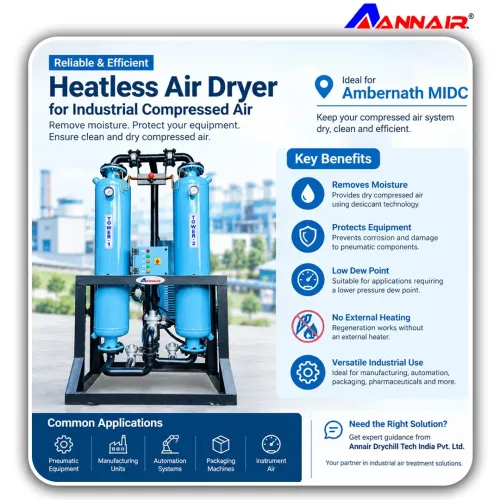
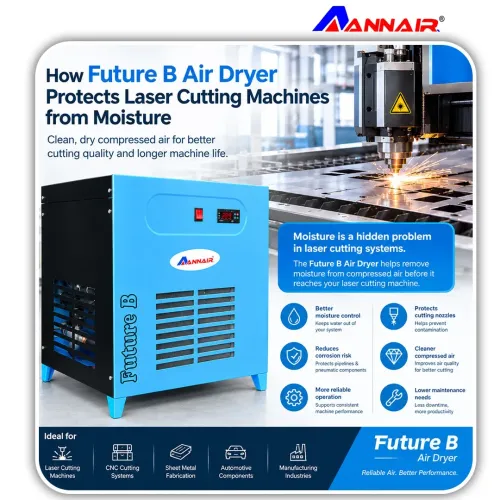
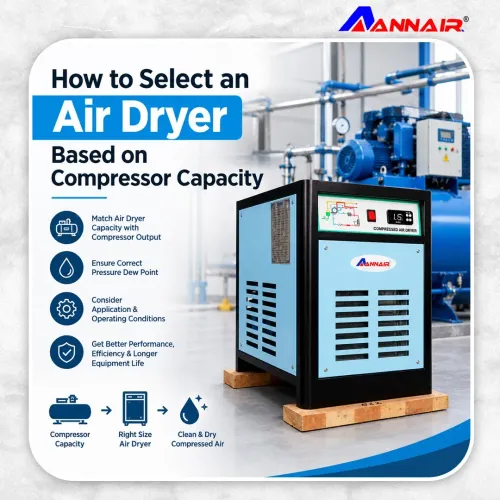
Compressed air filters are often used with refrigerated air dryers, desiccant air dryers, and other air treatment equipment.
A suitable pre-filter can help protect downstream equipment from certain contaminants. A suitable after-filter may be needed for specific applications. The arrangement depends on the system design and required air quality.
Important: A standard particulate filter does not remove every type of contamination. Water vapour generally requires drying equipment, while oil vapour may require specialised treatment.
7. Helps Control Operating Costs
Contamination-related breakdowns, product rejection, and frequent servicing can increase factory operating costs.
The correct compressed air filter, combined with regular maintenance, can help reduce these risks. Filter pressure drop should also be monitored because a clogged or unsuitable filter can increase energy consumption.
Common Uses of Compressed Air Filters
Compressed air filters are used in many industrial applications.
Automotive and CNC manufacturing: Helps protect pneumatic tools, machine components, and air-operated systems from contaminants.
Pharmaceutical industries: Supports the required compressed air quality when used with suitable filtration and validated air treatment arrangements.
Food and beverage processing: Helps control particles and other contaminants according to the application’s compressed air quality requirements.
Textile industries: Helps supply cleaner compressed air to pneumatic equipment and production machinery.
Packaging industries: Supports reliable operation of air-operated packaging and material handling equipment.
General manufacturing: Helps reduce contamination in air lines, pneumatic tools, and industrial automation systems.
Types of Compressed Air Filters
Different filters are designed to remove different contaminants.
Particulate Filters
These filters remove solid particles such as dust, dirt, and rust, depending on their filtration rating.
Coalescing Filters
These filters help remove liquid water droplets and oil aerosols from compressed air. They are commonly used where a higher level of liquid and aerosol removal is required.
Activated Carbon Filters
These filters are used to reduce oil vapours and certain odours. They are not a replacement for particulate or coalescing filtration and require appropriate maintenance.
Pre-Filters and After-Filters
Pre-filters are installed before selected downstream equipment to reduce contamination entering it. After-filters are installed after equipment when additional filtration is needed.
The correct filter combination depends on the compressor system, air dryer, application, and required air purity.
How to Choose the Right Industrial Compressed Air Filter
Before selecting a compressed air filter, consider the following factors:
Airflow capacity: Select a filter that can handle the system's required CFM or m³/min.
Operating pressure: Check that the filter is suitable for the system's working pressure.
Contaminant type: Identify whether the main concern is dust, liquid water, oil aerosols, or oil vapour.
Required air quality: Match the filtration grade to the application.
Pressure drop: Check the filter's pressure drop at the actual operating airflow.
Maintenance: Review filter element replacement intervals and service requirements.
System compatibility: Confirm connections, temperature limits, and compatibility with the air compressor and dryer.
Choosing the correct filter can help improve system performance and reduce avoidable maintenance.
Why Choose Annair Drychill Tech India Pvt. Ltd.?
Annair Drychill Tech India Pvt. Ltd. offers compressed air treatment solutions for industrial applications. Selecting the right air treatment equipment is important for maintaining air quality and protecting downstream machinery.
When choosing a compressed air filter, industrial buyers should consider the required airflow, working pressure, contamination level, and filtration grade. The filter should be selected according to the actual operating conditions rather than size alone.
For product information and assistance with compressed air treatment requirements, visit Annair's website.
Frequently Asked Questions (FAQs)
1. What is the main benefit of a compressed air filter?
The main benefit is reducing contaminants such as dust, liquid water, and oil aerosols, depending on the filter type. This helps protect equipment and maintain the required compressed air quality.
2. Why are compressed air filters important in industries?
They help protect pneumatic equipment, reduce contamination-related problems, support product quality, and improve production reliability.
3. Do compressed air filters remove moisture?
Some filters remove liquid water droplets, but ordinary filters do not remove water vapour. A compressed air dryer is generally required to reduce water vapour and achieve a specified pressure dew point.
4. How often should a compressed air filter be replaced?
The replacement interval depends on the filter element, operating conditions, contamination level, and manufacturer recommendations. Check the pressure drop and service instructions regularly.
5. Which compressed air filter is best for CNC machines?
The right filter depends on the CNC machine's air quality requirements, airflow, pressure, and the contaminants present. A suitable particulate or coalescing filter may be required, depending on the application.
6. Can compressed air filters reduce maintenance costs?
Yes. Proper filtration can help reduce contamination-related wear, servicing, and equipment problems. Actual savings depend on the system and maintenance practices.
7. What is the difference between a compressed air filter and an air dryer?
A compressed air filter removes specific contaminants, such as particles and liquid aerosols. An air dryer reduces water vapour in compressed air. Many industrial systems use both to achieve the required air quality.
8. How do I select a compressed air filter for my factory?
Check airflow capacity, operating pressure, contaminant type, required air purity, pressure drop, and maintenance requirements before selecting a filter.
Conclusion
The benefits of compressed air filters in industrial applications include cleaner compressed air, better equipment protection, improved production reliability, and reduced contamination-related maintenance. The right filter also helps industries meet their process-specific air quality requirements.
For the best results, select a filter based on airflow, operating pressure, contaminant type, and the required filtration grade. Regular inspection and timely element replacement are equally important.
Looking for a compressed air filtration solution for your industry? Contact Annair Drychill Tech India Pvt. Ltd. to discuss your application and compressed air treatment requirements.