
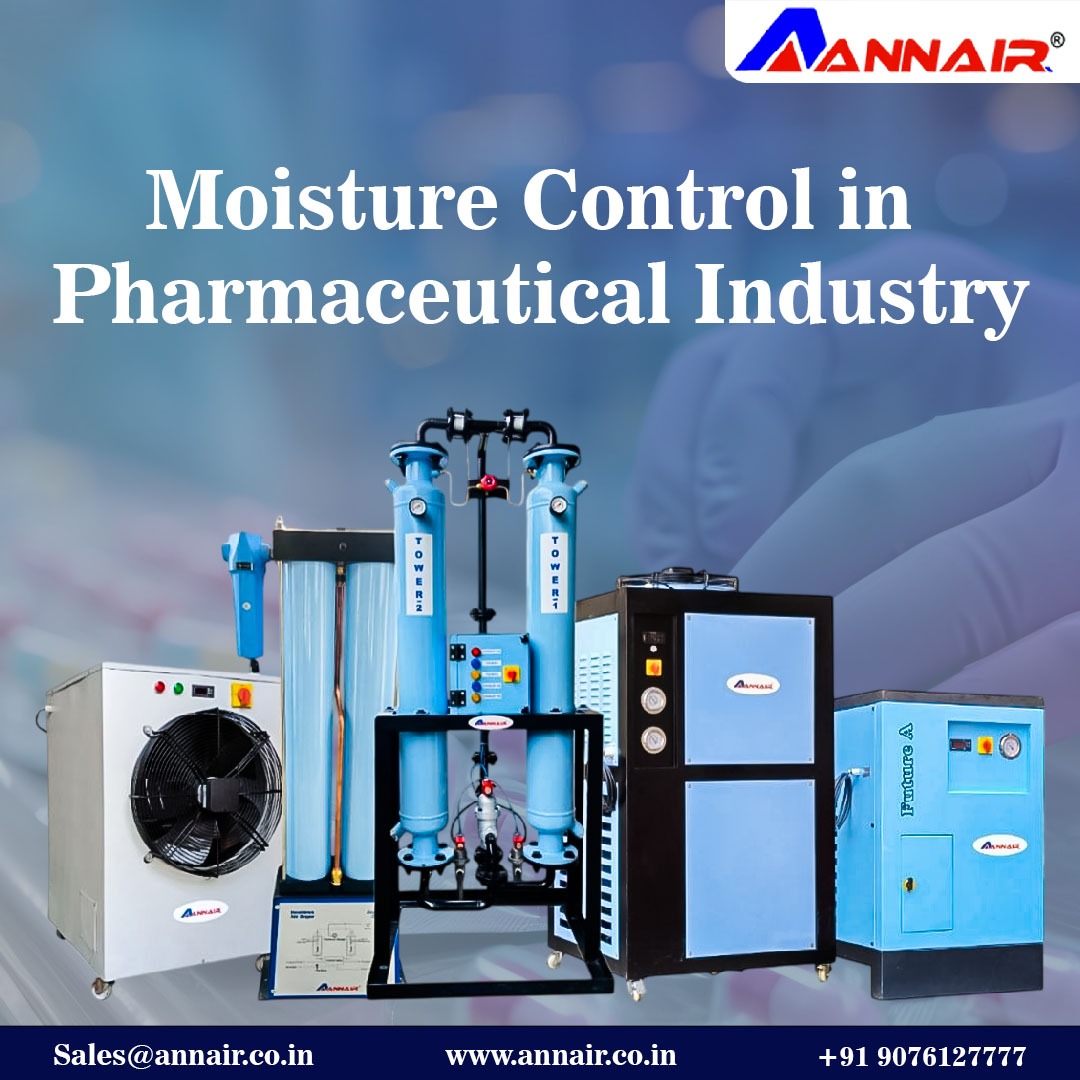
💊 Importance of Moisture Control in Pharmaceutical Industry | Air Dryer
In the pharmaceutical industry, moisture control plays a critical role in ensuring product quality, stability, and safety. The presence of humidity can affect the physical and chemical properties of medicines, resulting in contamination, reduced shelf life, or even product rejection.
That’s why air dryers and dehumidification systems are essential components in pharmaceutical manufacturing facilities.
In this post, we’ll explore why controlling moisture is so vital in pharmaceutical processes and how air dryer systems help maintain purity, compliance, and production efficiency.
🔹 What is Moisture Control?
Moisture control means regulating the humidity level in the air or process environment. When ambient air contains excessive moisture, it can alter the chemical composition of pharmaceutical ingredients.
In manufacturing, compressed air is widely used for various applications. If this air contains moisture, it can contaminate the product or damage sensitive equipment. Hence, dry and clean air is a must in all pharmaceutical operations.
🔹 Impact of Moisture in Pharmaceutical Manufacturing
Moisture directly affects several stages of pharmaceutical production, including mixing, coating, packaging, and storage. Here’s how:
Tablet Sticking and Coating Defects:
High humidity causes tablet surfaces to become sticky during coating, resulting in uneven coating and product rejection.
Powder Clumping:
Moisture in powder formulations leads to clumping or lump formation, affecting uniform mixing and dosage consistency.
Microbial Growth:
A humid environment promotes bacterial and fungal growth, leading to contamination of medicines.
Reduced Shelf Life:
Excess moisture degrades product stability, shortening its shelf life.
Packaging Failures:
Even in blister or strip packaging, if the air is not dry, condensation can cause leakage and spoilage of medicines.
🔹 Role of Air Dryers in the Pharmaceutical Industry
In pharmaceutical manufacturing, compressed air is used in many critical operations, such as:
Tablet pressing machines
Capsule filling systems
Packaging and sealing lines
Pneumatic control valves
Material conveying systems
If this compressed air contains moisture, it can lead to contamination, corrosion, and equipment failure.
To avoid these problems, air dryers are installed to remove moisture from the compressed air and deliver dry, clean air suitable for pharmaceutical use.
🔹 Types of Air Dryers Used in Pharmaceutical Plants
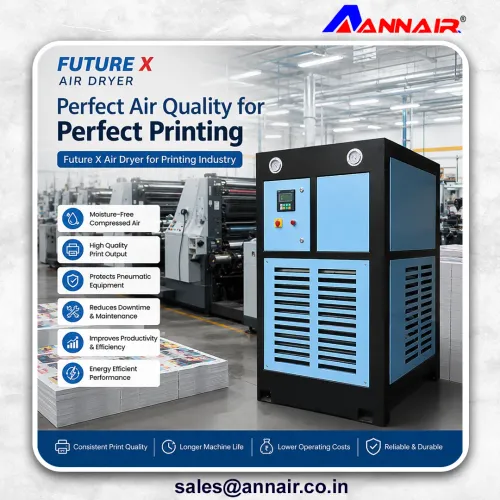
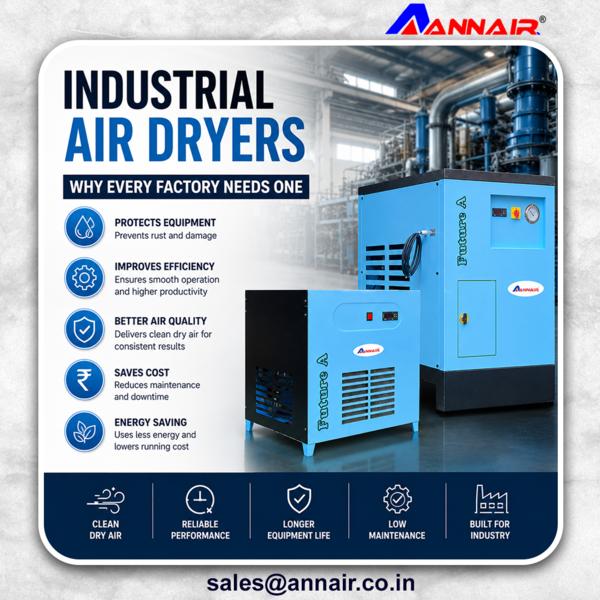
Refrigerated Air Dryer:
This dryer cools compressed air to condense and remove moisture. It is suitable for general-purpose or medium-duty applications.
Heatless Regenerative Air Dryer:
This type uses desiccant materials such as silica gel or activated alumina to absorb moisture. It provides ultra-dry air with a dew point as low as –40°C to –70°C, ideal for pharmaceutical applications.
🔹 Importance of Dehumidifiers in the Pharmaceutical Industry
While air dryers handle moisture in compressed air systems, dehumidifiers control humidity in the ambient air of cleanrooms, storage areas, and production zones.
Maintaining the right room humidity (typically between 35–45% RH) is crucial to prevent product degradation and microbial contamination.
Here’s why dehumidifiers are equally important:
✅ Cleanroom Stability:
Dehumidifiers ensure consistent humidity levels in tablet coating, capsule filling, and blending rooms—avoiding clumping and sticking issues.
✅ Storage Protection:
They prevent moisture absorption in packaged drugs and raw materials during storage, maintaining quality and stability.
✅ Microbial Control:
By reducing moisture in the environment, dehumidifiers limit bacterial and fungal growth, ensuring a sterile atmosphere.
✅ Energy Efficiency:
Modern dehumidifiers help maintain ideal air quality without overloading the HVAC system, saving energy and operational costs.
Together with air dryers, dehumidifiers complete the moisture control system in pharmaceutical plants, ensuring both compressed air and ambient air remain perfectly dry and contamination-free.
🔹 Benefits of Moisture Control in Pharmaceutical Processes
✅ Improved Product Quality:
Dry air prevents moisture-related contamination, ensuring consistent quality.
✅ Regulatory Compliance:
GMP, WHO, and USFDA guidelines require strict humidity control in pharmaceutical environments.
✅ Equipment Protection:
Moisture-free air prevents corrosion in pneumatic valves, cylinders, and sensitive machinery.
✅ Stable Production:
Controlled humidity minimizes downtime, rework, and batch rejection.
✅ Extended Shelf Life:
Dry air maintains the chemical stability of medicines and enhances storage life.
🔹 Annair Drychill Tech – Your Trusted Partner for Pharmaceutical Air Treatment
Annair Drychill Tech (India) Pvt. Ltd. offers advanced air dryers, air filters, and compressed air solutions specifically designed for the pharmaceutical industry.
Our Desiccant Air Dryers and Refrigerated Air Dryers meet GMP & ISO standards, ensuring clean, dry, and oil-free compressed air for all critical pharmaceutical applications.
We also provide high-performance industrial dehumidifiers to maintain controlled humidity levels in production and storage areas.
👉 Visit: www.annair.co.in
to explore our complete range of Pharmaceutical Air Dryer and Dehumidifier Systems.
🔹 Conclusion
In the pharmaceutical industry, moisture control is not just about maintaining quality—it’s about ensuring compliance, safety, and reliability.
Using a high-performance air dryer and dehumidifier system ensures that every batch is produced in a dry, contamination-free environment, improving product quality, equipment life, and overall productivity.