
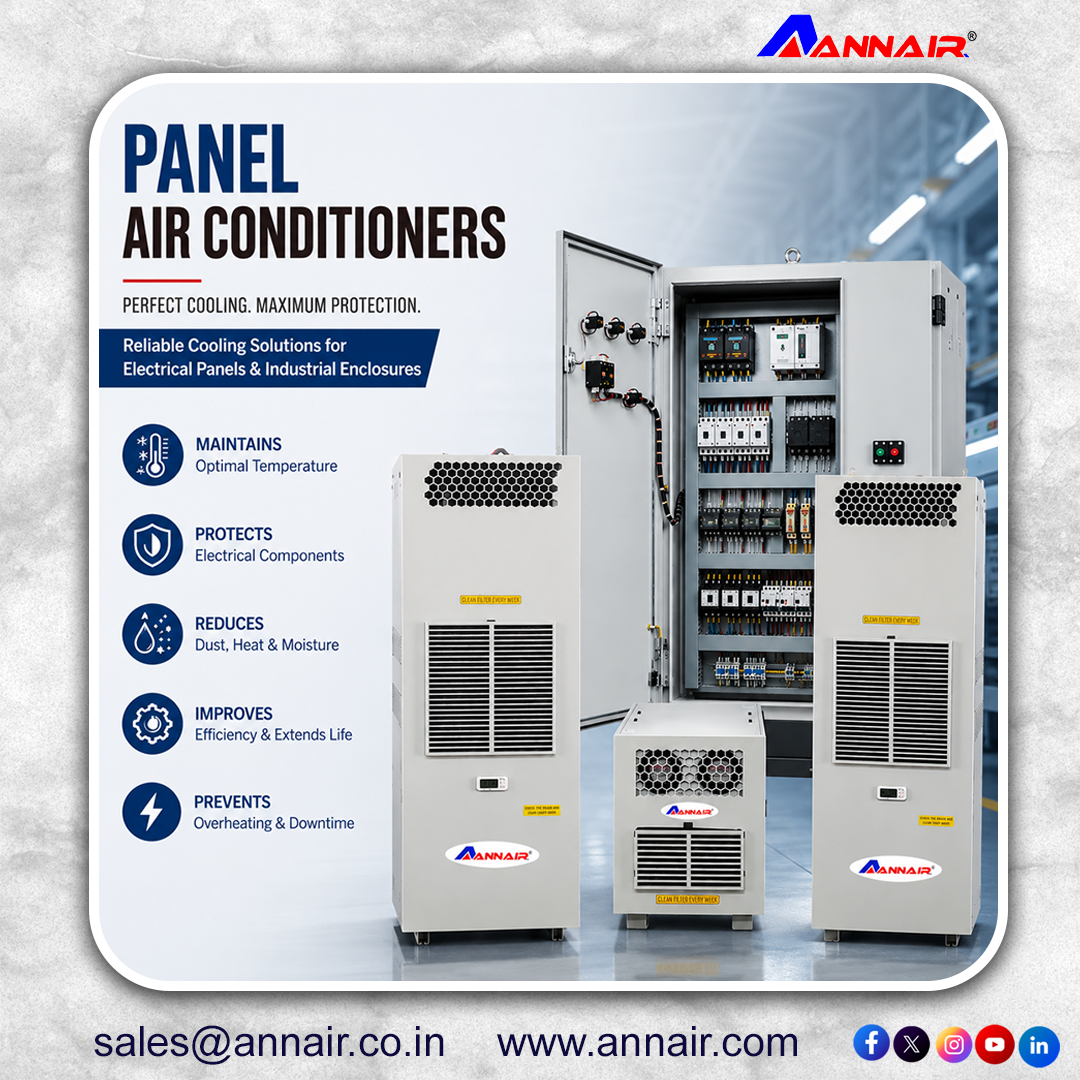
The Critical Role of Temperature Control in Industrial Electrical Panels
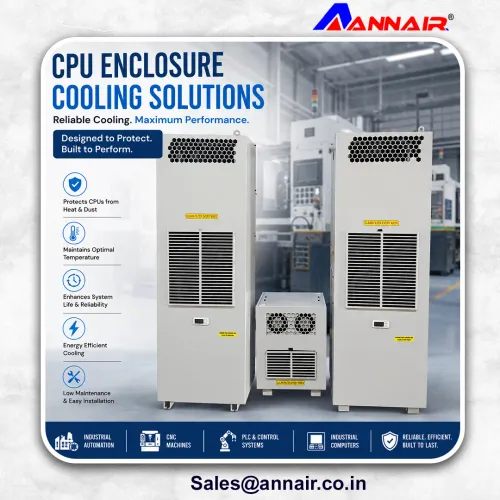
In the world of industrial manufacturing, the electrical panel is the "brain" of the operation. Whether it’s housing PLCs, Variable Frequency Drives (VFDs), or sensitive switchgear, maintaining the right internal climate is not just a recommendation—it is an operational necessity.
Why Temperature Control Matters
1. Extending Component Lifespan
Every 10°C rise above the recommended operating temperature can cut the life expectancy of electronic components by half. High heat causes insulation to become brittle and accelerates the wear of electrolytic capacitors. Consistent thermal management ensures you get the full ROI on your equipment.
2. Preventing Nuisance Tripping
Circuit breakers and thermal overloads are designed to protect your system, but they are sensitive to ambient heat. When a panel becomes too hot, these components may trip prematurely. This "nuisance tripping" leads to unexpected downtime, which can cost thousands in lost production time.
3. Safety and Fire Prevention
Heat is the primary precursor to electrical fires. Thermal expansion can loosen connections, creating high-resistance "hot spots." By implementing active cooling, you mitigate the risk of arcing and catastrophic equipment failure, ensuring a safer workplace for your team.
Comparison of Cooling Technologies
Choosing the right cooling method depends on your factory environment and the heat load generated by your components.
| Cooling Method | Ideal Environment | Key Advantage |
| Filter Fans | Clean, ambient air below 35°C | Low cost and easy installation. |
| Air-to-Air Heat Exchangers | Dusty or oily environments | A closed-loop system keeps contaminants out. |
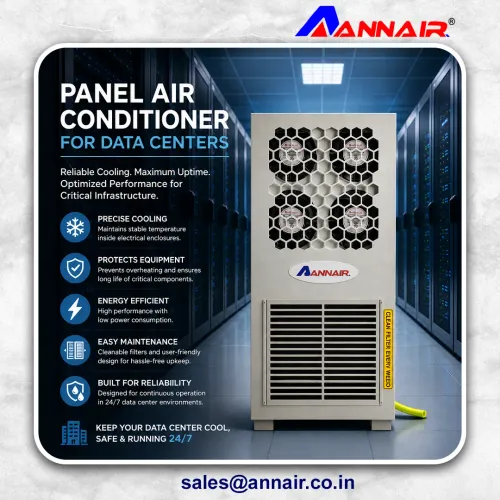
| Industrial Air Conditioners | High ambient temperatures 40°C+ | Precise temperature and humidity control. |
| Vortex Tubes | Hazardous or confined areas | No moving parts; uses compressed air. |
The Hidden Danger: Condensation
Temperature control isn't only about cooling. In regions with high humidity or fluctuating temperatures, condensation is a silent killer. When a panel cools down (e.g., during a night shift shutdown), moisture can collect on live components, leading to short circuits and corrosion.
Pro-Tip: Using a combination of a cooling unit and an internal heater with a hygrostat ensures the dew point is never reached, keeping the internals bone-dry.
Conclusion
Investing in a robust thermal management strategy, whether through industrial chillers, fans, or AC units, is a small price to pay compared to the cost of a system-wide failure. Protect your electronics, prevent downtime, and ensure your facility operates at peak efficiency.