

Why Humidity Control Is Important in Manufacturing
Walk into any factory with a moisture problem and you'll see it before anyone tells you. Rust on tooling. Powder that's gone lumpy. Cardboard that won't hold its shape. Humidity doesn't announce itself with alarms — it just quietly eats into your product quality, your equipment, and your margins. For manufacturers running compressed air systems, electronics lines, or moisture-sensitive materials, humidity control isn't a comfort feature. It's a production requirement.Corrosion Is the Silent Cost Center
Moisture in the air settles on metal surfaces, tooling, and machine parts, and over time that turns into rust and pitting. This isn't just a cosmetic issue. Corroded components fail early, precision tooling loses tolerance, and unplanned downtime for repairs or replacement adds up fast. In coastal regions like Mumbai or Dubai, where ambient humidity already runs high, the problem compounds without active dehumidification.
Electronics and PCB Assembly Don't Forgive Moisture
Panel builders and electronics assemblers know this one well. Excess moisture on PCBs causes soldering defects, delamination, and long-term reliability failures that show up only after the product is in the field. Controlled humidity during assembly and storage keeps defect rates down and protects warranty costs. This is one reason panel AC and dehumidifier units are now standard in control panel manufacturing environments, not an afterthought.
Raw Materials and Packaging Absorb Moisture Fast
Hygroscopic materials — powders, adhesives, textiles, paper, and packaging board — pick up ambient moisture whether you want them to or not. That changes their weight, their handling behavior, and in some cases their chemical stability. For pharma, food processing, and packaging units, this directly affects batch consistency and shelf life. A dehumidifier holding relative humidity in the right band removes this variable from the process instead of leaving it to the weather.
Compressed Air Systems Need Dry Air Upstream Too
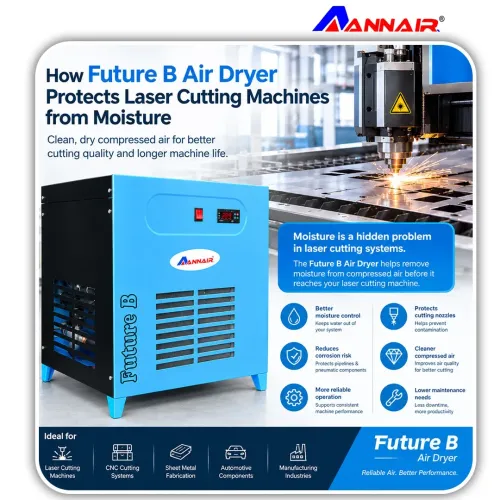
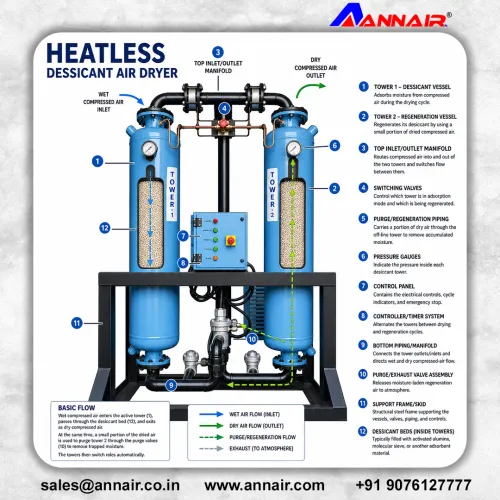
Most plants already invest in refrigerated or heatless dryers to keep compressed air dry at the point of use. But if the surrounding plant air is humid, that moisture load doesn't stay contained to the air lines—it affects everything else in the building, including the same pneumatic components, sensors, and panels the dry air is meant to protect. Humidity control at the room level and air treatment at the line level work together, not separately.
Static Electricity Increases in Dry Conditions, But So Does Risk in Damp Ones
It's worth noting the balance goes both ways. Very low humidity raises static discharge risk around sensitive electronics and flammable dust environments. Very high humidity raises corrosion and microbial risk. The goal for most manufacturing environments is a controlled band, typically 40–60% RH, not simply "drier is better." This is why humidity control equipment is specified with a target range, not just a dehumidification capacity.
Worker Comfort Affects Output
High humidity combined with industrial heat loads makes shop floors uncomfortable to work in for a full shift. Fatigue increases, error rates creep up, and attendance suffers on the worst days. Controlling humidity alongside temperature isn't just about the product — it keeps the workforce running at a steady pace too.
Getting the Right Capacity for Your Plant
Sizing a dehumidifier isn't guesswork. It depends on floor area, ceiling height, existing ventilation, process heat load, and the target RH band for your specific application—electronics assembly and pharma storage don't need the same setpoint as a general warehouse. Annair's industrial dehumidifiers are sized and specified against these factors for OEM buyers, panel builders, and end users across India and the UAE.