
Understanding Refrigerated Air Dryers
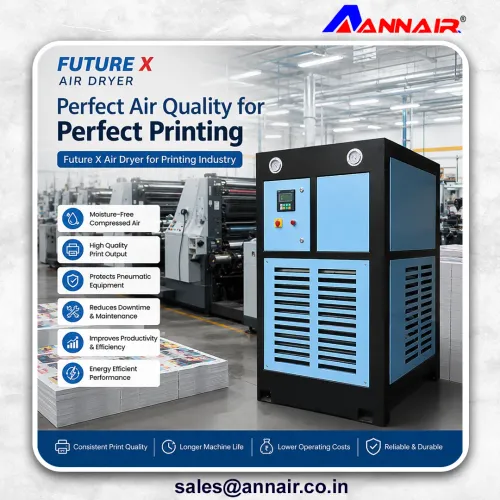
Refrigerated air dryers are critical components in many industrial and commercial applications, playing a pivotal role in ensuring the efficiency and reliability of compressed air systems. These devices are designed to remove moisture from compressed air, which is essential for maintaining the integrity and performance of various equipment and processes. Without proper moisture control, compressed air systems can suffer from corrosion, scaling, and other forms of damage that can lead to costly downtime and repairs.
Refrigerated air dryers operate by cooling the compressed air to a temperature where the moisture condenses into liquid form, which can then be separated and drained away. This process effectively reduces the dew point of the air, preventing condensation and moisture-related issues downstream. By maintaining a low dew point, refrigerated air dryers help to ensure that compressed air systems remain dry, clean, and efficient.
The importance of refrigerated air dryers cannot be overstated. They are essential for industries such as manufacturing, food and beverage, pharmaceuticals, and many others where clean, dry air is crucial for product quality, safety, and operational efficiency. By investing in a reliable refrigerated air dryer, businesses can protect their equipment, improve product quality, and enhance overall operational efficiency.
How Refrigerated Air Dryers Work
Refrigerated air dryers function based on a simple yet effective principle: cooling the compressed air to condense and remove moisture. The process begins with the intake of hot, moist compressed air into the dryer. This air first passes through a heat exchanger, where it is pre-cooled by the outgoing, already dried air. This initial cooling step reduces the overall load on the refrigeration system, enhancing efficiency.
Next, the pre-cooled compressed air enters the refrigeration circuit, where it is further cooled to near-freezing temperatures by a refrigerant. This significant drop in temperature causes the moisture in the air to condense into liquid droplets. These droplets are then collected and removed from the system through an automatic drain, ensuring that only dry air remains.
The final step involves reheating the now dry, cold air to a more manageable temperature before it exits the dryer. This reheating process occurs in the same heat exchanger used in the initial cooling step, ensuring that the air leaving the dryer is both dry and at a suitable temperature for downstream use. This method of drying compressed air is highly efficient and effective, making refrigerated air dryers a popular choice for many applications.
Key Benefits of Using Refrigerated Air Dryers
One of the primary benefits of using refrigerated air dryers is the significant reduction in moisture content within compressed air systems. This reduction helps prevent corrosion, rust, and other forms of damage to pipes, valves, and equipment. By maintaining a dry air supply, businesses can extend the lifespan of their equipment and reduce the frequency of maintenance and repairs.
Another major advantage is the improvement in product quality and consistency. In industries such as food and beverage, pharmaceuticals, and electronics, even the slightest amount of moisture can compromise product integrity and safety. Refrigerated air dryers ensure that the compressed air used in these processes is free from moisture, helping to maintain high standards of quality and safety.
Energy efficiency is also a notable benefit of refrigerated air dryers. These devices are designed to operate with minimal energy consumption, making them a cost-effective solution for moisture control in compressed air systems. By reducing the energy required for drying, businesses can lower their operational costs and improve overall efficiency.
Factors to Consider When Choosing a Refrigerated Air Dryer
When selecting a refrigerated air dryer, several factors must be taken into account to ensure optimal performance and efficiency. The first consideration is the required dew point. Different applications may require different levels of dryness, so it's essential to choose a dryer that can achieve the necessary dew point for your specific needs.
Another critical factor is the capacity of the dryer, which should match the maximum flow rate of your compressed air system. An undersized dryer will struggle to remove moisture effectively, while an oversized dryer may result in unnecessary energy consumption and higher operational costs. It's important to select a dryer that is appropriately sized for your system to ensure efficient and effective moisture removal.
Additionally, the operating conditions of the dryer, such as ambient temperature and inlet air temperature, can impact its performance. It's important to choose a dryer that can operate effectively under the specific conditions of your facility. Other considerations include the quality and reliability of the dryer, ease of maintenance, and availability of support and service from the manufacturer.
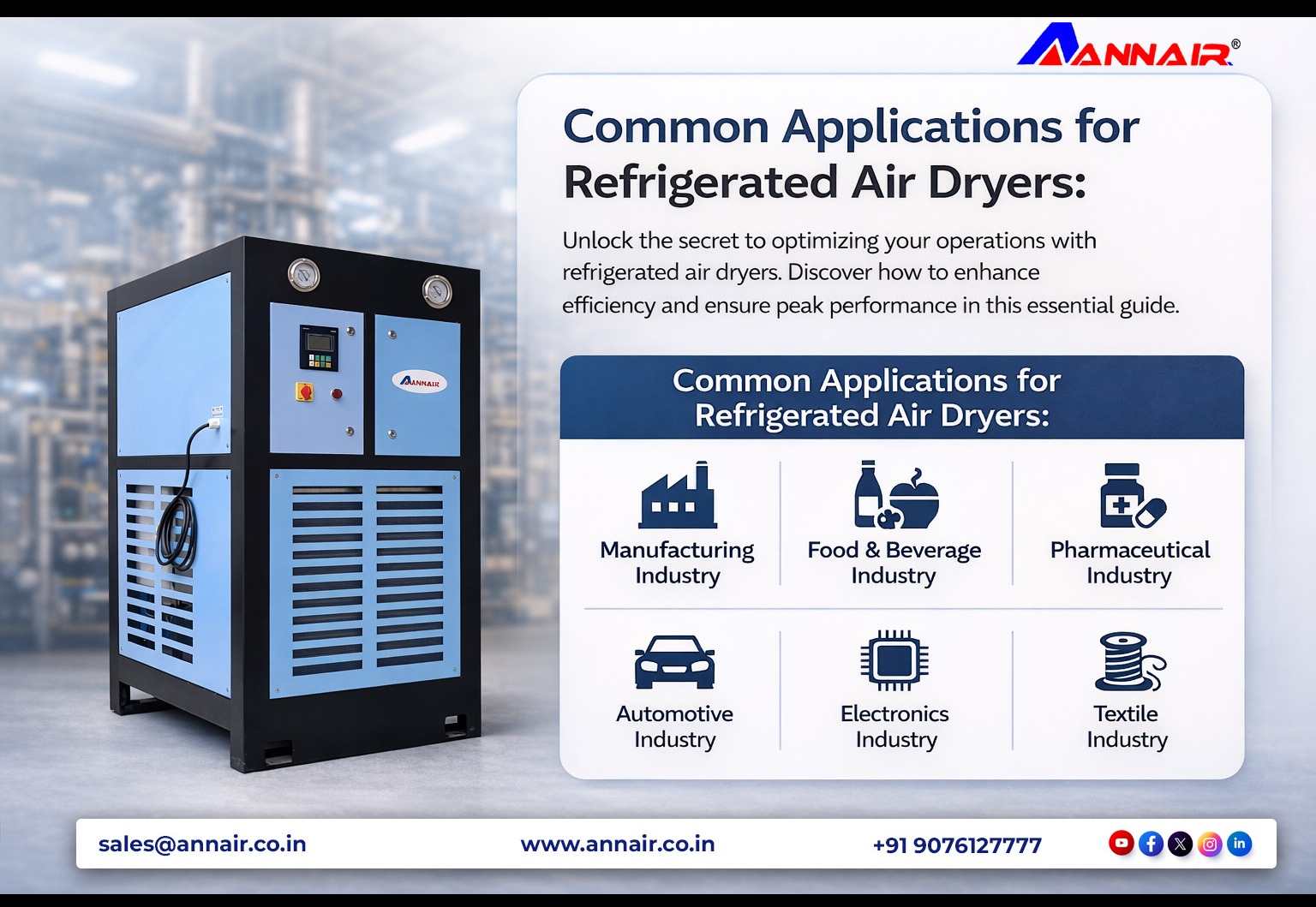
Common Applications for Refrigerated Air Dryers
Refrigerated air dryers are used in a wide range of industrial and commercial applications where clean, dry air is essential. In the manufacturing industry, these dryers are crucial for ensuring the proper operation of pneumatic tools and equipment. Moisture-free air helps to prevent rust and corrosion, reducing downtime and maintenance costs.
In the food and beverage industry, refrigerated air dryers play a vital role in maintaining product quality and safety. Compressed air is often used in packaging, processing, and conveying operations, and any moisture in the air can lead to contamination and spoilage. By providing dry air, refrigerated air dryers help to ensure that products remain safe and high-quality.
The pharmaceutical industry also relies heavily on refrigerated air dryers to maintain strict standards of cleanliness and safety. Compressed air is used in various processes, including mixing, conveying, and packaging, and any moisture in the air can compromise product integrity and safety. Refrigerated air dryers help to ensure that the air used in these processes is dry and free from contaminants.
Maintenance Tips for Optimal Performance
Regular maintenance is essential for ensuring the optimal performance and longevity of refrigerated air dryers. One of the most important maintenance tasks is to regularly check and clean the condenser coils. Dirty or clogged coils can reduce the efficiency of the refrigeration system, leading to higher energy consumption and reduced drying performance.
Another important maintenance task is to regularly inspect and replace the air filters. Clean air filters are crucial for maintaining proper airflow and preventing contaminants from entering the dryer. It's also important to regularly check and clean the automatic drain system to ensure that it is functioning properly and effectively removing condensed moisture from the system.
Additionally, it's important to regularly inspect the refrigerant levels and check for any leaks. Low refrigerant levels or leaks can reduce the efficiency of the refrigeration system and impact the overall performance of the dryer. Regular maintenance and inspections can help to identify and address any issues before they become major problems, ensuring that the dryer continues to operate efficiently and effectively.
Troubleshooting Common Issues
While refrigerated air dryers are generally reliable, they can occasionally experience issues that impact their performance. One common issue is a high dew point, which can result from a variety of factors, including insufficient cooling, refrigerant leaks, or clogged filters. To troubleshoot this issue, it's important to check the refrigerant levels, clean or replace the air filters, and inspect the condenser coils for any dirt or obstructions.
Another common issue is excessive moisture in the compressed air, which can result from a malfunctioning automatic drain system or improper airflow. To address this issue, it's important to check and clean the automatic drain system, ensure that the air filters are clean and properly installed, and inspect the airflow to ensure that it is not obstructed.
Other common issues include unusual noises or vibrations, which can result from loose or damaged components, and poor cooling performance, which can result from low refrigerant levels or dirty condenser coils. Regular maintenance and inspections can help to identify and address these issues before they become major problems, ensuring that the dryer continues to operate efficiently and effectively.
Energy Efficiency and Cost Savings
One of the key advantages of refrigerated air dryers is their energy efficiency. These devices are designed to operate with minimal energy consumption, making them a cost-effective solution for moisture control in compressed air systems. By reducing the energy required for drying, businesses can lower their operational costs and improve overall efficiency.
In addition to their energy efficiency, refrigerated air dryers also offer significant cost savings by reducing the need for maintenance and repairs. By preventing moisture-related issues such as corrosion and rust, these dryers help to extend the lifespan of compressed air systems and reduce the frequency of maintenance and repairs. This can result in significant cost savings over the long term.
Furthermore, the reliability and durability of refrigerated air dryers mean that businesses can avoid costly downtime and production interruptions. By ensuring a consistent supply of clean, dry air, these dryers help to maintain the efficiency and reliability of compressed air systems, resulting in improved productivity and reduced operational costs.
Comparing Refrigerated Air Dryers to Other Types of Dryers
Refrigerated air dryers are just one of several types of air dryers available for compressed air systems. Other common types include desiccant dryers, membrane dryers, and deliquescent dryers. Each type has its own advantages and disadvantages, and the best choice depends on the specific needs and requirements of the application.
Desiccant dryers, for example, use a desiccant material to adsorb moisture from the compressed air. These dryers can achieve very low dew points, making them suitable for applications requiring extremely dry air. However, they are generally more expensive and require more maintenance compared to refrigerated air dryers.
Membrane dryers use a permeable membrane to separate moisture from the compressed air. These dryers are compact and require no electricity, making them suitable for applications with limited space or power availability. However, they typically have lower drying capacities and are not as effective as refrigerated or desiccant dryers for high-volume applications.
Deliquescent dryers use a hygroscopic material to absorb moisture from the compressed air. These dryers are simple and low-cost, but they have limited drying capacity and are not as effective as refrigerated or desiccant dryers. Overall, refrigerated air dryers offer a good balance of performance, efficiency, and cost, making them a popular choice for many applications.
Conclusion: Enhancing Your Operations with Refrigerated Air Dryers
In conclusion, refrigerated air dryers are essential components for optimizing the efficiency and performance of compressed air systems. By effectively removing moisture from compressed air, these dryers help to prevent corrosion, rust, and other forms of damage, extending the lifespan of equipment and reducing maintenance costs. They also play a crucial role in ensuring product quality and safety in industries such as food and beverage, pharmaceuticals, and manufacturing.
When choosing a refrigerated air dryer, it's important to consider factors such as the required dew point, capacity, and operating conditions to ensure optimal performance and efficiency. Regular maintenance and troubleshooting can help to identify and address any issues, ensuring that the dryer continues to operate effectively.
Overall, the energy efficiency and cost savings offered by refrigerated air dryers make them a valuable investment for businesses looking to enhance their operations. By providing a consistent supply of clean, dry air, these dryers help to maintain the efficiency and reliability of compressed air systems, resulting in improved productivity and reduced operational costs. Investing in a high-quality refrigerated air dryer can unlock the secret to optimizing your operations and ensuring peak performance.
___________________________________________________________________________________________________________________________________________________________________________
Contact us for more details
📞 Phone: +91 9076127777
📧 Email: sales@annair.co.in
🌐 Website: www.annair.com